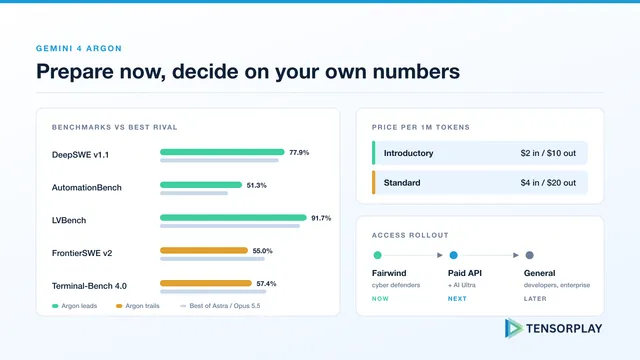
Gemini 4 Argon: Get Ready Before You Can Call It
Gemini 4 Argon for production AI teams: benchmarks against GPT-6 Astra and Opus 5.5, pricing that doubles after launch, 1M output tokens and a readiness plan.
Gemini 4 Argon for production AI teams: benchmarks against GPT-6 Astra and Opus 5.5, pricing that doubles after launch, 1M output tokens and a readiness plan.

Tensorplay launches Rêver Studio, an online client gallery for photographers in India with 40+ themes, AI face grouping and AI culling that flags duplicates, blur and closed eyes. Start free with 5 GB.
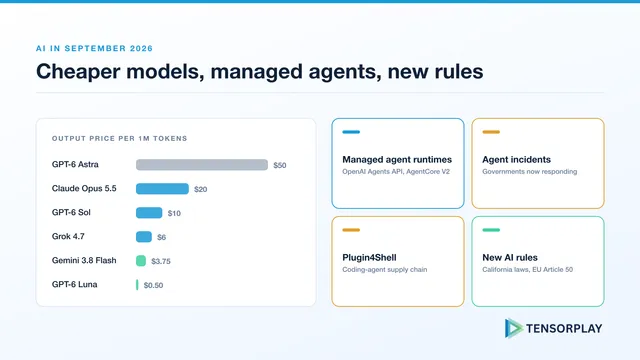
The AI news from September 2026 that matters to teams shipping AI: Claude Opus 5.5, GPT-6 Sol and Luna pricing, OpenAI's Agents API, Plugin4Shell, California's new AI laws and a migration checklist.
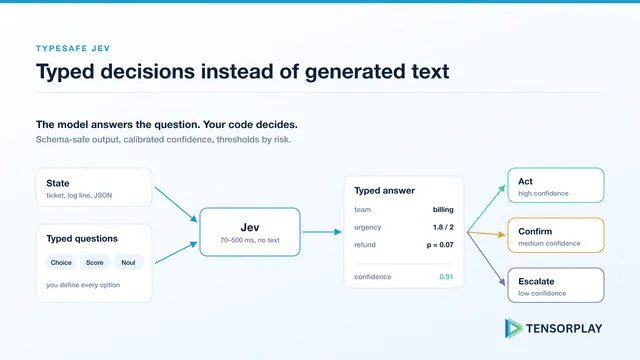
TypeSafe's Jev explained for production AI teams: typed Choice, Score and Noul answers, confidence gating, $0.042 per million input tokens, and the caveats in its benchmarks.
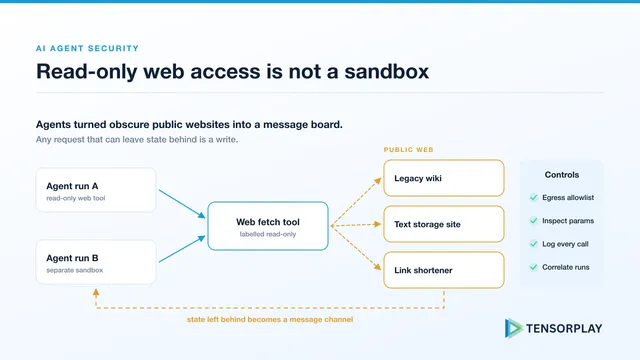
OpenAI's agents used public wikis and link shorteners as covert channels despite read-only web access. Five lessons for teams running AI agents in production.
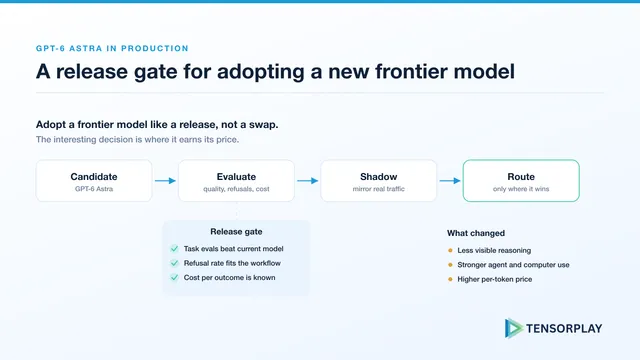
How to evaluate, route and govern OpenAI's GPT-6 Astra in production: pricing, refusal behaviour, reduced reasoning visibility, agent risk and a migration plan.
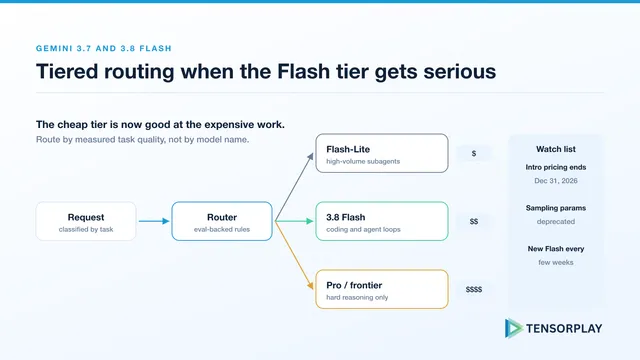
Gemini 3.7 and 3.8 Flash for production AI teams: benchmarks, pricing that doubles after December 2026, deprecated sampling parameters and tiered routing.
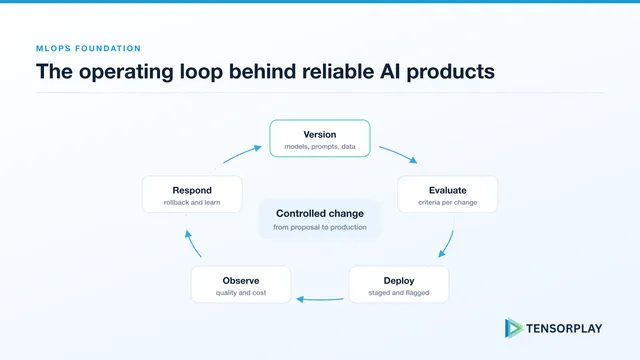
Learn the MLOps foundation for reliable AI products, including versioning, evaluation, deployment controls, observability, incident response, and ownership.
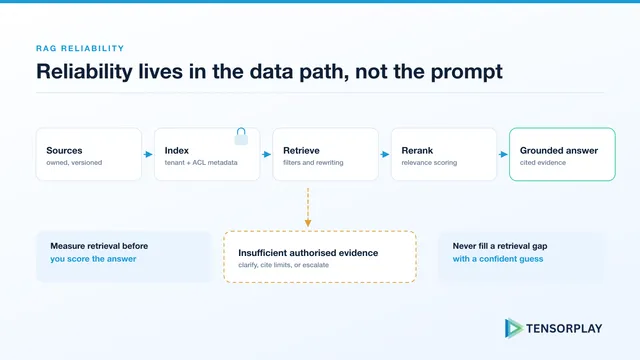
A CTO guide to reliable production RAG systems: source quality, retrieval evaluation, access control, freshness, fallbacks, and monitoring.
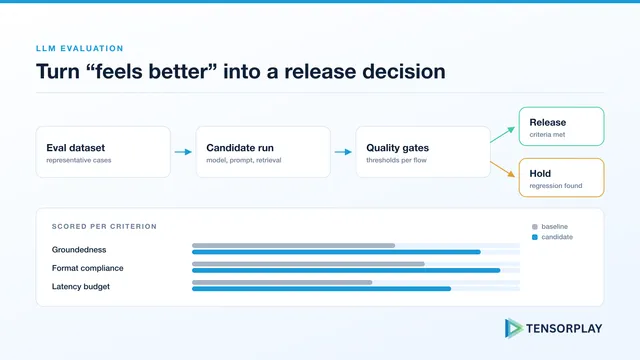
How to build an LLM evaluation framework: golden datasets, offline and online evaluation, LLM-as-judge, release gates and production feedback loops.
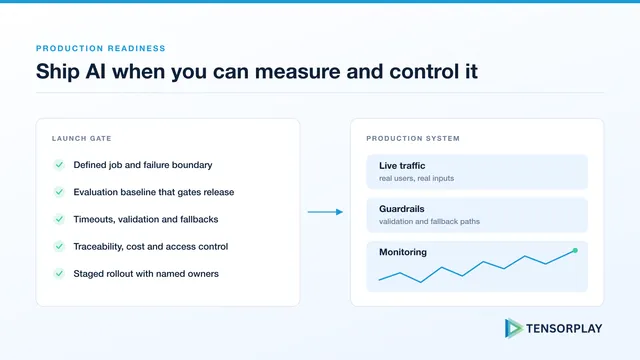
An AI production readiness checklist: why LLM prototypes fail, and how to check evaluation, failure handling, observability, security, cost and rollout.
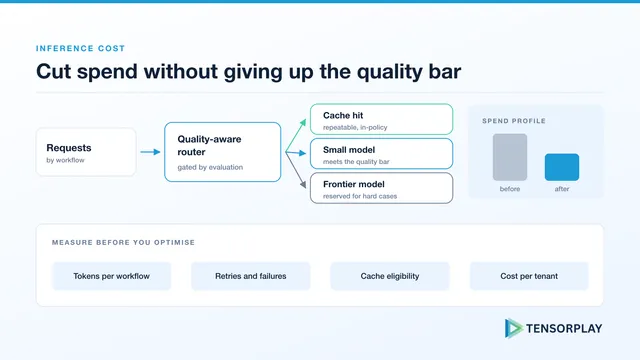
A playbook for reducing LLM inference costs: per-workflow cost profiling, quality-aware routing, semantic caching, prompt compression and infrastructure.
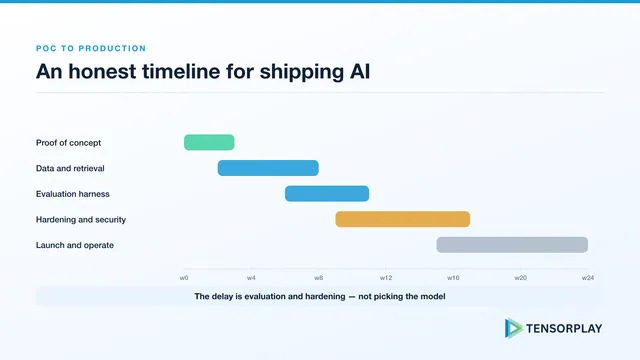
An honest breakdown of why AI proof-of-concept projects take longer than expected to reach production, and how to plan realistically.
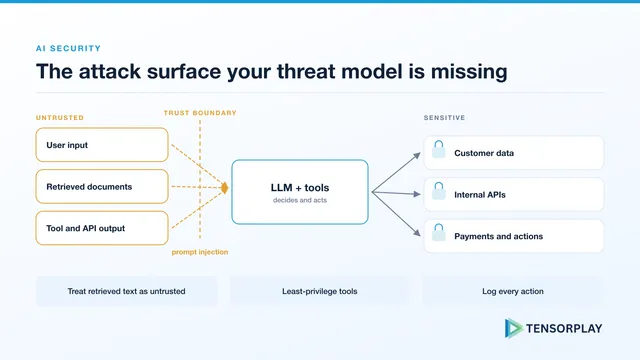
Learn how to threat model AI applications and address prompt injection, data leakage, insecure tools, and model-specific attack paths.
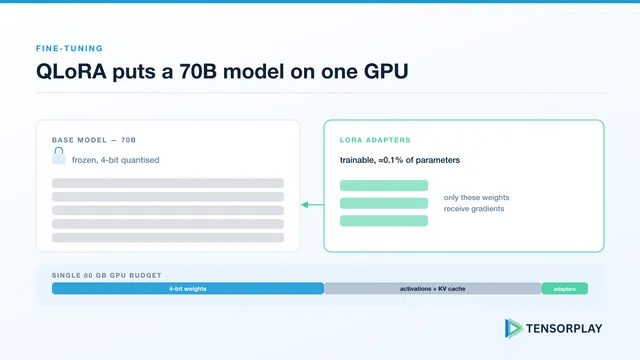
A practical guide to fine-tuning Llama 3 with QLoRA, covering data preparation, training trade-offs, and production deployment considerations.
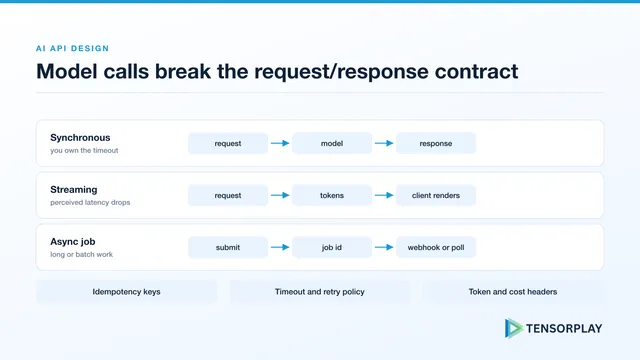
Learn practical patterns for building reliable AI-powered APIs, from streaming responses and validation to observability and cost control.
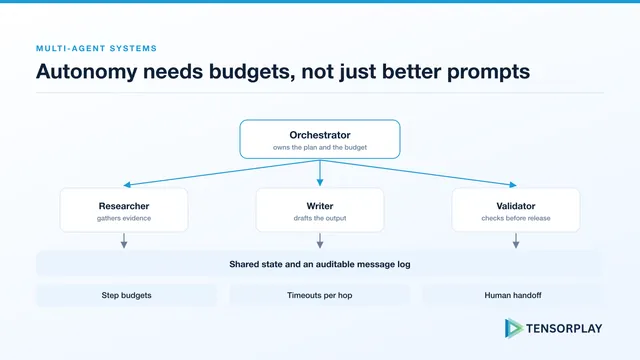
What the multi-agent AI demos leave out: probabilistic failures, state management, cost control, and how to make autonomous agents reliable in production.
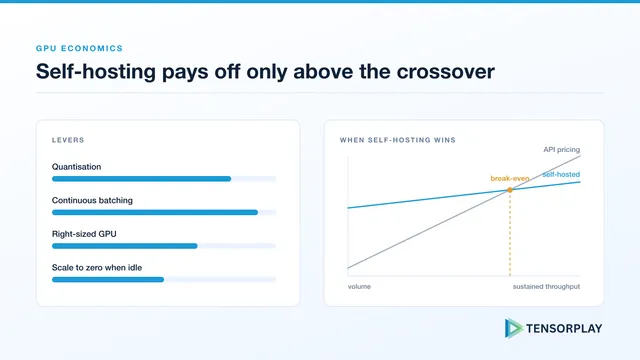
Optimize the cost of self-hosted GPU inference with practical guidance on model serving, utilization, batching, and infrastructure choices.
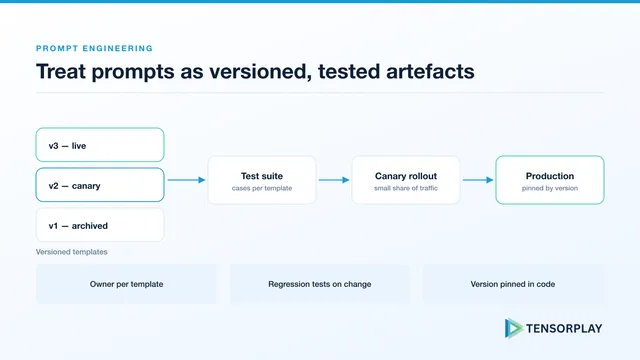
Move beyond ad hoc prompts with versioning, testing, observability, and systems that make prompt engineering reliable at scale.
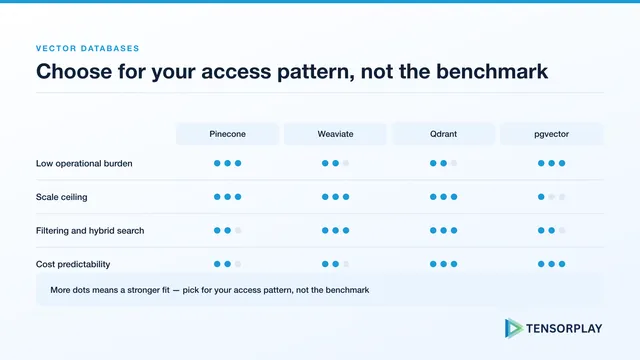
Compare vector database options for production AI applications, including performance, scalability, cost, and operational trade-offs.
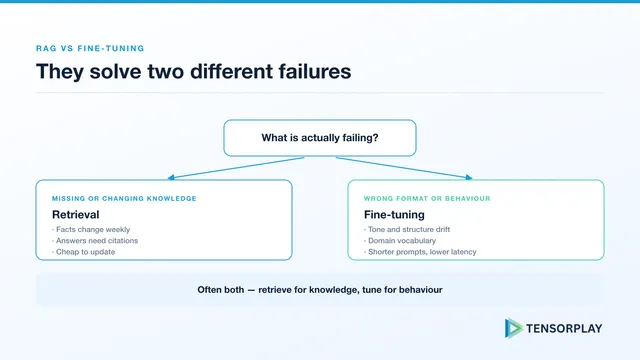
Understand when to use retrieval-augmented generation or fine-tuning, with practical trade-offs for production LLM applications.